Why Japanese Business Etiquette Still Matters in 2026
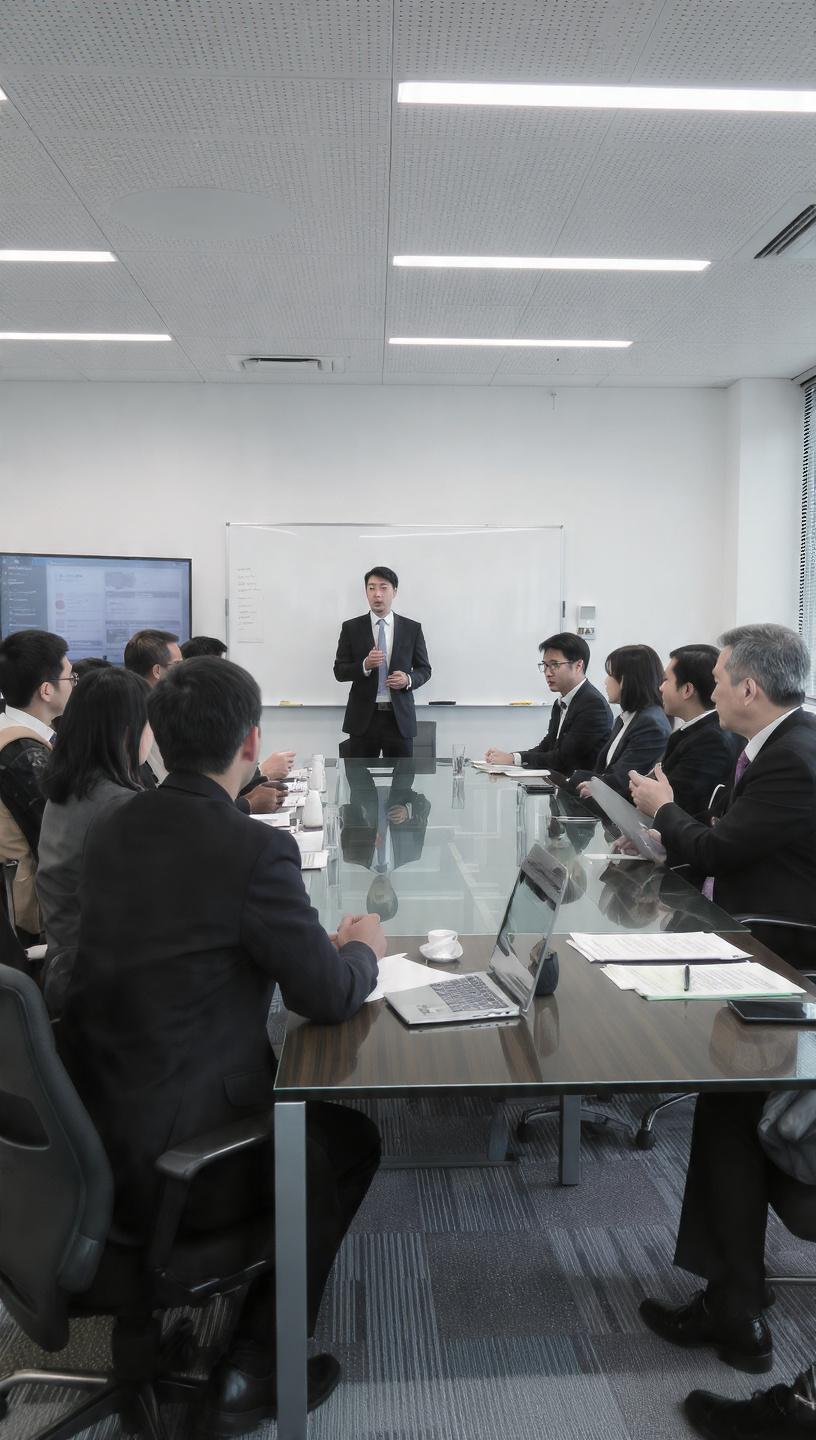
Picture this: a Western executive steps into a new leadership role in Tokyo. Back home, meetings are lively—people jump in with questions, push back on ideas, and debate openly. In Japan, their first key meeting feels completely different. In a modern, sunlit conference room, everyone listens quietly. Colleagues glance at documents, shift slightly in their seats, but say nothing. Expecting comments and questions, the executive rushes to fill the silence and pushes for a quick decision.
What feels like awkward hesitation is, in fact, a normal moment of quiet reflection—a sign of respect and careful thinking in Japanese business culture.
Misunderstandings like this still happen in 2026. Japan is rapidly digitalizing and integrating global norms, but three core values continue to shape how decisions are made and relationships are built:
- Harmony (wa)
- Hierarchy and respect
- Consensus-building (nemawashi)
Japan also scores roughly twice as high as the U.S. on Hofstede’s uncertainty-avoidance dimension, reflecting a strong preference for stability and predictability. For example, before launching a new product line, a Japanese company may spend several months in nemawashi—quietly consulting departments, gathering concerns, and adjusting plans. By the time a formal decision is made, the risks have been discussed, and alignment is in place.
After more than 15 years consulting in Aomori and across Japan, I’ve seen Western professionals succeed or stumble based largely on how well they understand—and respect—these foundations. This guide distills those lessons into practical, up-to-date advice you can apply immediately.
2026 Snapshot: Why Culture Outweighs Speed
Recent trends show that Japanese professionals still prioritize relationships and process over speed:
- Long-term relationships first
Roughly 85% of Japanese business professionals say they value long-term partnerships more than quick wins. Taking time to build trust and rapport is not optional; it is the strategy. - Meishi still matters
Around 70% of professionals consider meishi (business card) exchange essential for starting a business relationship. Done well, it signals credibility and respect before you even speak. - Cultural training pays off
Research on U.S.–Japan business relationships shows that cultural sensitivity significantly improves trust and reduces risk. Companies that invest in training avoid many costly missteps. - Nemawashi dominates timelines
Many Japanese firms devote 60–70% of project timelines to nemawashi before formal approval. Western partners who ignore this “pre-meeting” phase are often baffled when logical proposals refuse to move forward.
For Western executives, the message is clear: if you want sustainable success in Japan, you must adjust your pace, expectations, and communication style.
Foundation 1: Wa (和) – Harmony Above All
Wa (harmony) is more than a slogan—it is an operating system.
In practice, wa looks like this:
- Group-first decisions – The impact on the team or department is weighed before individual preferences.
- Indirect communication – Criticism is softened, disagreement is subtle, and open confrontation is avoided.
- Face-saving – Protecting others from embarrassment is a core courtesy.
Return to our Western executive. He eventually repaired the relationship by:
- Admitting he had misread the silence and rushed the process.
- Expressing respect for Japanese communication norms.
- Requesting a follow-up meeting focused on collaboration rather than speed.
In the second meeting, he allowed pauses, watched nonverbal cues, and let the Japanese side set the rhythm. The contract was approved—not because the proposal changed, but because his approach did.
Foundation 2: Hierarchy and Respect (上下関係)
Japanese organizations are vertically structured, but the hierarchy is more nuanced than a simple org chart.
A typical seniority structure:
- CEO/President (社長, shachō)
- Department Head (部長, buchō)
- Section Chief (課長, kachō)
- Team Leader (係長, kakarichō)
- Staff (社員, shain)
Practical Tips for Visitors and Foreign Managers
- Use titles, not just names.
Say Tanaka-buchō (Department Head Tanaka), not just “Mr. Tanaka.” For example:Junior: 「田中部長、いかがですか?」 (Tanaka-buchō, ikaga desu ka? – “Department Head Tanaka, what do you think?”)
Senior: 「山田くん、ありがとう。元気ですよ。」 (Yamada-kun, arigatō. Genki desu yo. – “Thank you, Yamada. I’m doing well.”) - Follow hierarchical order in meetings.
Let senior members enter, sit, and speak first. Address them before turning to junior staff. On a recent visit, a Western manager carefully used the correct titles for each executive he met. This small, consistent show of respect helped smooth negotiations and accelerated agreement. - Mind seating (kamiza/shimoza).Kamiza: the seat farthest from the door, reserved for the most senior person.
Shimoza: the seat nearest the door, for juniors.
Sitting in the wrong place can signal ignorance or disrespect. When in doubt, quietly ask, “Where would you like me to sit?” That small question shows awareness and humility.
Critical Ritual 1: Meishi Exchange (名刺交換)
In Japan, your business card is an extension of you. Treat it casually and you risk harming your credibility before the meeting even begins.
Why Meishi Still Matters in 2026
Printed cards remain widely used and respected. Meishi exchange is often the first formal moment when hierarchy, role, and company status are recognized. It is not only tradition; it is a structured way of building trust.
As digital transformation advances, etiquette around meishi is extending to virtual settings. Exchanging digital business cards still requires care: camera at eye level, professional background, and a polite follow-up to confirm receipt.
A Simple 7-Step Meishi Protocol
- Preparation – Keep cards in a proper card case, not loose in a pocket.
- Presentation – Hold your card with both hands, Japanese side facing the recipient.
- Bowing – Offer the card with a slight bow (about 15–30 degrees), especially to seniors.
- Receiving – Accept the other person’s card with both hands. Take 5–7 seconds to read the name, title, and company.
- Acknowledgement – Make a brief comment such as, “Thank you, it’s a pleasure to meet you,” and, if appropriate, repeat their name.
- Placement – Place received cards neatly on the table in front of you, in seating order. Never stack or toss them.
- Storage – After the meeting, put the cards carefully into your case. Don’t write on them or stuff them into a back pocket.
One foreign employee once lost a promising contract after casually sliding a card across the table and dropping another next to his phone. To his Japanese counterparts, the gesture suggested a lack of respect—for them and their company.
Critical Ritual 2: Nemawashi (根回し) – Consensus Before Decisions
Nemawashi literally means “going around the roots.” In business, it refers to the informal consensus-building that happens before any formal decision-making meeting.
Ignoring nemawashi is one of the fastest ways to stall a project.
Three Phases of Nemawashi
- Phase 1 – Informal Sounding (2–4 weeks)Hold one-on-one conversations with key stakeholders.
Ask about concerns, constraints, and suggestions.
Map informal networks: long-tenured employees, quiet influencers, trusted advisers. - Phase 2 – Small Group Alignment (1–2 weeks)Discuss your adjusted proposal at the department or small-group level.
Incorporate feedback so major objections are addressed before the formal meeting. - Phase 3 – Formal PresentationPresent a proposal that is already largely pre-approved.
The formal meeting is usually for confirming consensus and documenting the decision, not for open debate.
Companies like Toyota are known for planning cycles that may last 9–10 months, versus 3 months in many Western firms. The payoff is smoother implementation and fewer costly reversals.
How Western Professionals Can Practice Nemawashi
- Start by identifying key decision-makers and influencers.
- Approach them individually for informal, relationship-focused conversations.
- Ask open-ended questions and listen more than you speak.
- Begin with non-business topics to build rapport before moving into details.
- Adjust your proposal based on the feedback you receive, then confirm alignment before any big presentation.
In Japan, the real meeting often happens before the meeting.
Critical Ritual 3: Meeting Etiquette and the Power of Silence
In many Western workplaces, silence can signal disagreement, confusion, or a lack of engagement. In Japan, silence often means the opposite: respect, concentration, and careful evaluation.
Research suggests that pauses in Japanese meetings often last 3–5 seconds, versus 1–2 seconds in many Western contexts. Silence may indicate reflection, polite disagreement, or a desire to avoid premature confrontation.
What to Do in Practice
Before the meeting:
- Arrive 5–10 minutes early.
- Bring printed materials, even if you shared files digitally.
During the meeting:
- Wait to be seated according to hierarchy.
- Don’t interrupt. Speak when invited or when a clear opening appears.
- Take notes to show seriousness and respect.
- Allow pauses. After asking a question, give people time to think before you rephrase or fill the silence.
After the meeting:
- Thank participants individually as they leave, especially seniors.
- Follow up with a concise recap email outlining key points and next steps.
To train yourself, try a two-week “pause diary”: add a 5-second pause after you ask questions in meetings and note what happens. Many Western professionals are surprised at how much more thoughtful input they receive when they simply wait.
Social Culture: Nomikai (飲み会) and Relationship-Building
Business in Japan often continues after office hours. Nomikai—informal drinking or dining gatherings—are where trust is deepened and hierarchies soften.
The goal is not just to drink; it is to relax social barriers and encourage more open communication.
Core Nomikai Rules
- Seating – Seniors sit in the place of honor (kamiza), farthest from the door. Juniors sit closer to the door (shimoza).
- Pouring drinks – Never pour your own drink. Pour for others with two hands; they will pour for you.
- Kampai – Wait until everyone has a drink and the host leads a toast before your first sip.
- Topics – Start with light, non-controversial topics. Work may come up naturally later.
- Leaving – Avoid leaving before your seniors. If you must, excuse yourself politely and thank the host.
By 2026, more companies offer alcohol-free or shorter events, and virtual nomikai are increasingly common. In online settings, use video to maintain a personal connection, keep your background professional, join a group “kanpai” on screen, and follow up with a short thank-you message afterward.
Gifts and Seasons: Ochugen, Oseibo, and Omiyage
Gift-giving in Japan is a structured way to show gratitude and maintain relationships.
Common Business-Related Gifts
- Ochugen (お中元) – Mid-year thanksTiming: July 1–15
Typical value: ¥3,000–¥10,000 - Oseibo (お歳暮) – Year-end appreciationTiming: December 1–20
Typical value: ¥5,000–¥20,000 - Omiyage (お土産) – Souvenirs after travelTiming: After trips
Typical value: ¥1,000–¥3,000
Gift-Giving Etiquette
- Present gifts with both hands.
- Use proper wrapping (department store wrapping or a fukusa cloth for very formal occasions).
- Use a modest phrase such as: 「つまらないものですが…」 (Tsumaranai mono desu ga… – “This is nothing special, but…”).
- Avoid sets of four (4 is associated with death) and nine (linked to suffering).
- When you receive a gift, reciprocate later with something of roughly similar value.
Digital gift certificates are becoming more common, especially among younger professionals, but the core principles of modesty and reciprocity remain.
Aomori vs. Tokyo: Regional Nuance as an Advantage
Most guides focus on Tokyo, but regional differences are real—and can be an advantage.
In broad strokes:
- Tokyo – Faster-paced, denser schedules, more formal networking.
- Aomori – Community-oriented and relationship-driven, with strong emphasis on shared meals, local festivals, and long-term ties.
A Tokyo manager might spend the morning in back-to-back meetings and close a deal by noon. An Aomori manager might start the day with breakfast alongside a partner, talking about family, the local community, or the fishing season—and only later turn to contracts.
Practical Tips for Westerners in Aomori and Similar Regions
- Accept invitations to meals and local events; these are central to building trust.
- Allow more time for discussions; avoid pushing too quickly to the bottom line.
- Join community activities—festivals, charity events, sports days. Visible, sincere engagement in the community often translates directly into business goodwill.
For Western companies, less-saturated markets like Aomori can offer significant upside: less competition, deeper loyalty, and ample room to grow—if you are willing to invest in relationships.
Language, Apologies, and Common Pitfalls
You don’t need to be fluent in Japanese to succeed, but small efforts matter.
Useful Phrases
- おはようございます (Ohayō gozaimasu) – Good morning
- こんにちは (Konnichiwa) – Hello / Good afternoon
- こんばんは (Konbanwa) – Good evening
- はじめまして (Hajimemashite) – Nice to meet you
- ありがとうございます (Arigatō gozaimasu) – Thank you
- すみません (Sumimasen) – Excuse me / I’m sorry
- お願いします (Onegai shimasu) – Please (when requesting)
- はい (Hai) – Yes
- いいえ (Iie) – No (used carefully)
For complex negotiations or sensitive feedback, bring a trusted interpreter or local consultant. Small misunderstandings at this level can be very expensive.
If You’ve Pushed Too Hard
Japanese decision-making is gradual and consensus-based. If you realize you’ve rushed people, a humble, structured apology helps. For example:
『自分の行動が急ぎすぎてしまったことをお詫び申し上げます。日本の伝統的な意思決定プロセスを尊重しておりますので、ぜひフォローアップのディスカッションをお願いしたく存じます。』
“I apologize if I pushed too quickly. I value Japan’s traditional decision-making process and would appreciate a follow-up discussion so we can align better.”
Delivered sincerely, this signals respect for the process and a willingness to adapt.
Common Mistakes to Avoid
- Misreading silence as disinterest or rejection.
- Ignoring hierarchy—speaking mainly to junior staff when senior leaders are present.
- Handling meishi casually.
- Opting out of all after-hours relationship-building.
A One-Year Adaptation Framework for Western Professionals
Adapting to Japanese business culture is a journey. Here is a simple roadmap:
Months 1–3: Observer Phase
- Watch how hierarchy appears in meetings, emails, and daily interactions.
- Learn and practice basics: bowing, meishi exchange, punctuality.
- Prepare clear, structured agendas for meetings.
- Position yourself as a respectful learner. Ask, “How is this usually done here?” more often than you insist on how it’s done back home.
Months 4–6: Participant Phase
- Start contributing more actively in meetings—at appropriate moments.
- Join social events and nomikai when possible, and listen more than you talk.
- Learn how nemawashi works in your organization: who must be consulted, in what order, and how informally those conversations happen.
Months 7–12: Bridge-Builder Phase
- Combine Western strengths (clarity, initiative, decisiveness) with Japanese values (harmony, patience, respect for process).
- Use nemawashi proactively: test ideas informally before big presentations.
- Support newer Western colleagues by sharing what you’ve learned. Becoming a cultural bridge increases your value to both sides.
Looking Ahead: Digital Change and Cultural Continuity
Japan’s business landscape is changing quickly:
- Digital transformation – Virtual meetings, digital meishi, and remote collaboration tools are now standard. Virtual nomikai are growing.
- Remote nemawashi – Consensus-building increasingly happens via shared documents, chat, and video calls, but the underlying logic of nemawashi is unchanged.
- Work-life balance – Labor shortages and policy shifts are pressuring companies to reassess long-hours culture.
- Global integration – More English is used in business, and hybrid meetings with international teams are common. Diverse communication styles are gradually becoming more accepted.
Yet beneath these changes, three constants remain: harmony, hierarchy, and relationships. Technology changes the format, but not the underlying values.
To succeed between now and 2030, Western professionals will need:
- Cultural intelligence – Understanding the why behind etiquette.
- Digital fluency – Applying Japanese norms thoughtfully in hybrid and online settings.
- Relationship sustainability – Maintaining trust over time, not just winning the first deal.
- Flexibility – Updating your approach as Japan’s business culture evolves.
Key Takeaways for Western Professionals
Use this as a quick checklist:
- Be patient. Respect the deliberate pace of decisions in Japan.
- Invest in relationships. Early meetings are about trust, not contracts.
- Listen to silence. Pauses usually mean reflection, not rejection.
- Honor hierarchy. From seating to email salutations, structure matters.
- Adapt continuously. Blend traditional etiquette with emerging digital practices.
- Respect regional nuance. Tokyo and Aomori do not move at the same tempo.
- Balance digital and personal. Use tools, but don’t abandon face-to-face connection.
Above all, remember: in Japanese business, how you do things often matters as much as what you achieve.
About the Author
Zakari Watto is a cross-cultural business consultant with over 15 years of experience helping Western companies navigate the Japanese market. Based in Hamada, Aomori, he specializes in market entry strategies, cultural adaptation, and business development in Northern Japan. Through AomoriJpInsider.co, he offers consulting, cultural training, and strategic guidance to organizations aiming to establish or expand their presence in Japan.
For tailored guidance on entering or growing in Northern Japan, cultural training, or support with specific negotiations, visit AomoriJpInsider.co or connect with Zakari on LinkedIn.
This article reflects best practices as of February 2026. Japanese business culture continues to evolve, and regional differences remain important. For high-stakes decisions or complex situations, consider consulting a local cross-cultural expert.